

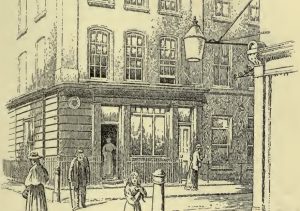
Sir William Blake, a London wine merchant, built an extensive portfolio of land in Kensington, Brompton and Knightsbridge. At this time, the Estate was largely occupied by nurseries and market gardens.
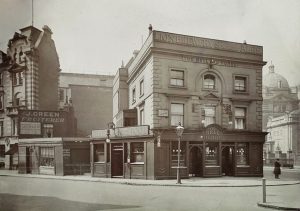
Sir William Blake’s great-great-granddaughter inherited the Estate and married the son of John Thurloe (Secretary of State in Oliver Cromwell’s government). Many of the surrounding street names continue to bear the Thurloe family name.
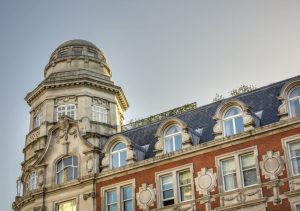
The Estate passed to the Thurloe Brace’s great-grandson, John Alexander. It remained principally a market garden, specialising in fruit trees and herbaceous plants. The Hoop and Toy, one of two public houses built at the time, still stands in South Kensington today.
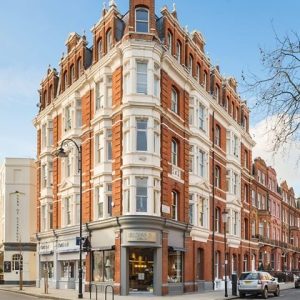
Residential squares and streets like Alexander Square and Thurloe Square were developed by the lawyer Henry Brown Alexander.
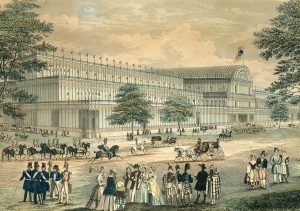
Held in Hyde Park, profits funded a cultural district of museums and universities in South Kensington devoted to art and science education.
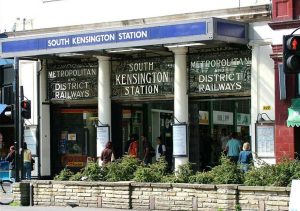
The Metropolitan District Line underground route was extended to South Kensington, built on land purchased from the Alexanders. The Piccadilly Line followed in 1906.
Alexander family descendants formed an in-house property management company to ensure a high standard of service for the estate’s tenants.
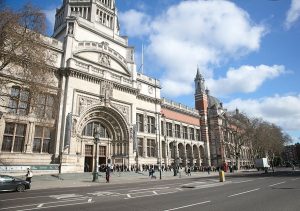
Purchased from the Wellcome Trust, comprising residential and commercial properties on Brompton Road.
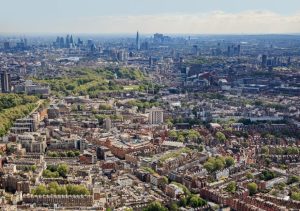
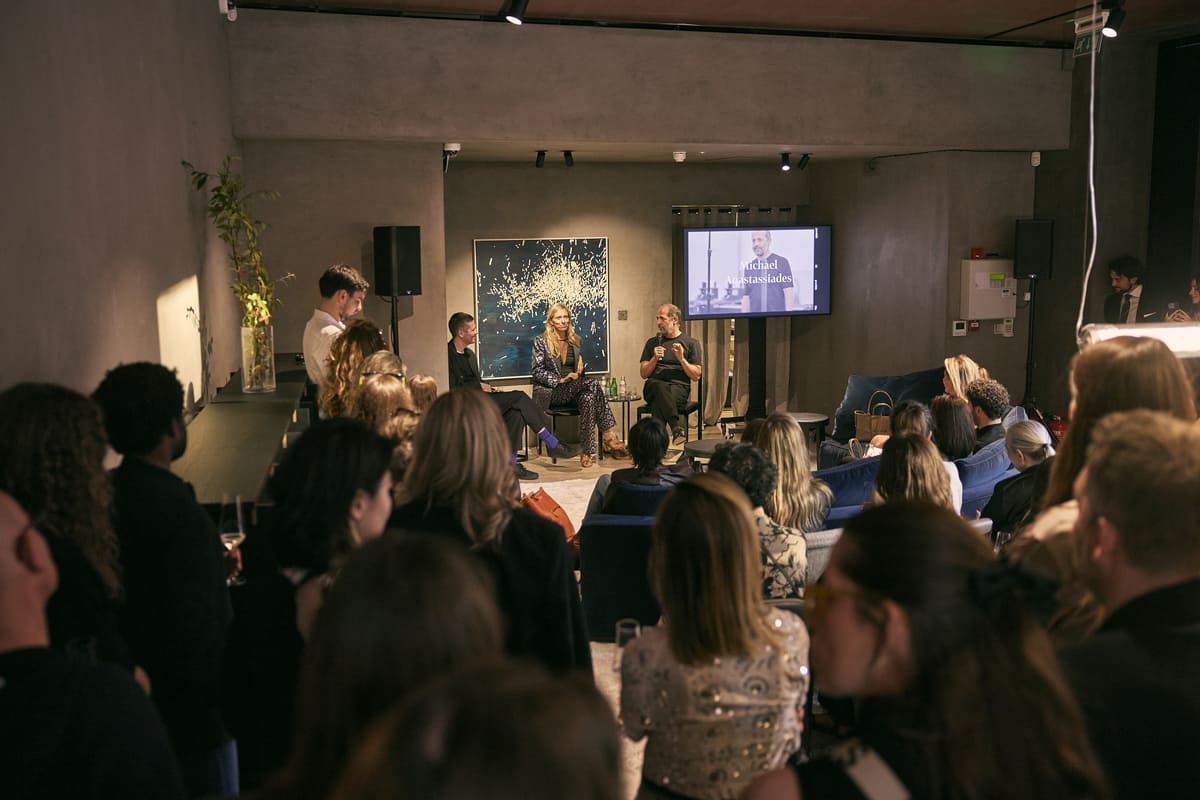
Formed by SKE in collaboration with local design shops and institutions, it created a destination for design, art and culture, announced at the V&A Museum.
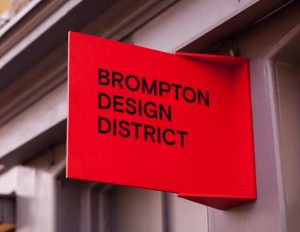
Brompton Design District celebrated 10 years, and SKE announced plans for art galleries on Cromwell Place.
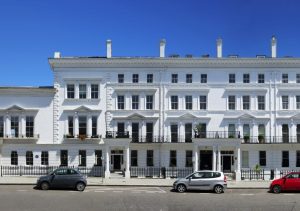
The restored 1-5 Cromwell Place was unveiled, transforming Grade II listed buildings into a hub for fine dining, events, and design.
South Kensington Estates unveils a new brand identity, focusing on its role as landlord and placemaker for a creative and sustainable neighbourhood